
I’ll be the first to admit, I’ve made some bad shoe choices. When I was a lawyer, I picked the highest heels I could find so I looked a bit more imposing in the boardroom. Tough when you’re only 5’2″. Before that, I spent about 4 years wearing mostly flip flops. And there were a few years of super supportive shoes, motion control runners and custom orthotics mixed in there too.
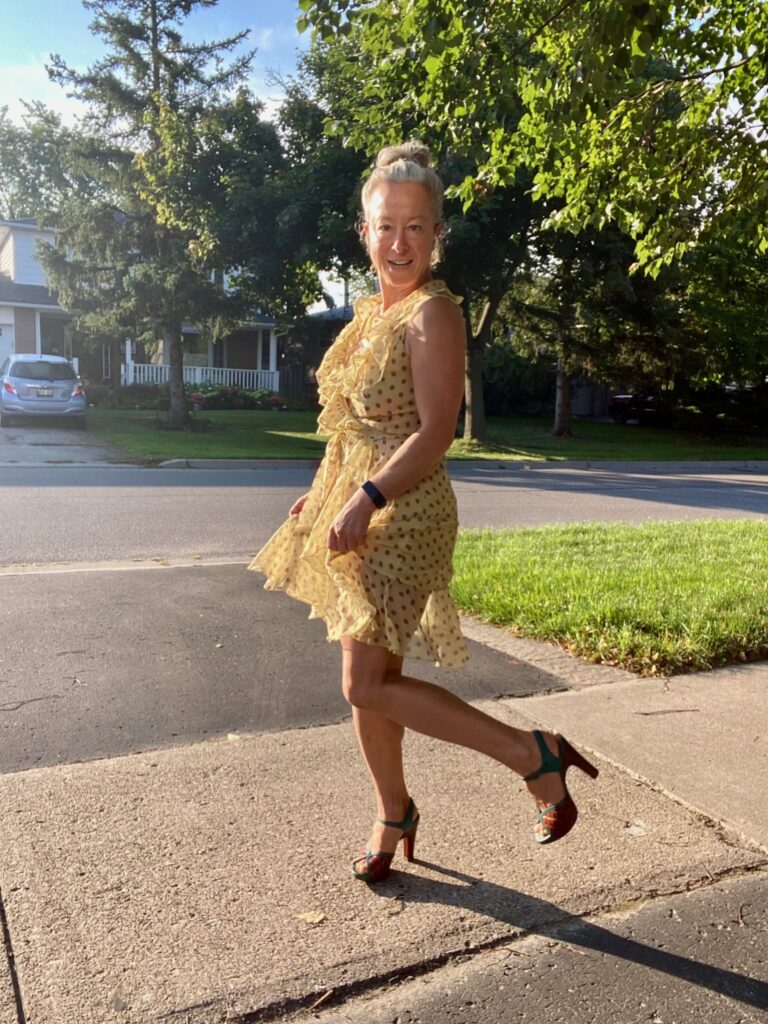
So it really wasn’t a surprise that by the time I discovered natural movement, I already had a laundry list of foot problems. Plantar fasciitis. Numb toes. Shin splints. Developing bunions. And problems that I didn’t realize were related to my feet – low back pain, sneeze pee and a super tight neck.
When I realized that my feet could heal and get stronger with foot strengthening exercises and better shoe choices, I was hooked. I went all in on my barefoot shoe transition. And that’s when things went sideways. Six months in, I gave myself an injury that still flares up sometimes, 12 years later.
But here’s the thing – and this is important – I made this injury because I ignored every warning sign my body gave me and pushed way harder than I should have. My story isn’t meant to scare you away from minimal shoes (they’ve genuinely changed my life!). It’s meant to help you transition to barefoot shoes successfully by avoiding the mistakes I made.
Because the truth is, barefoot shoes absolutely CAN help heal foot pain and restore your feet. They’ve helped thousands of people get back to the activities they love. The key is doing it gradually, listening to your body, and – this is crucial – doing the foot strengthening exercises alongside the shoe change.
So today I’m sharing my barefoot shoe transition journey so that if you’re considering switching to foot shaped shoes, you can do it the right way from the start.
Why I Needed Barefoot Shoes in the First Place
When I first learned about minimal shoes, it blew my mind. Didn’t I need MORE support, not less?!
By that time, I had constant chronic injuries and I was spending massive amounts of time and money consulting PTs, chiropractors, osteopaths and anyone else I could think of, trying to figure out why my body was being such a jerk. I absolutely loved long distance running and Crossfit, but I was constantly sidelined by one injury after another.
I still remember lying on my chiropractor’s bed as she told me I would need custom orthotics for the rest of my life. And how much it hurt to give up running. Being told by a massage therapist that my neck was the tightest she’d ever felt. I just didn’t understand what I was doing wrong – wasn’t being active supposed to be a good thing?
When I found Katy Bowman’s blog and started realizing that my own movement choices – including my footwear – were a huge part of my issues, I felt so much hope.
It was instantly clear that my sky high platform heels and over-built runners were the real problem. My shoes were constricting my feet, overloading my toes and preventing any kind of strength or foot mobility.
I also realized that my standing alignment was a huge part of my issue. I stood with my pelvis pushed so far forward, I could barely see my toes – a frequent side effect of wearing shoes with heels and sitting in chairs a lot. Of COURSE I gave myself plantar fasciitis when I switched to a standing desk!
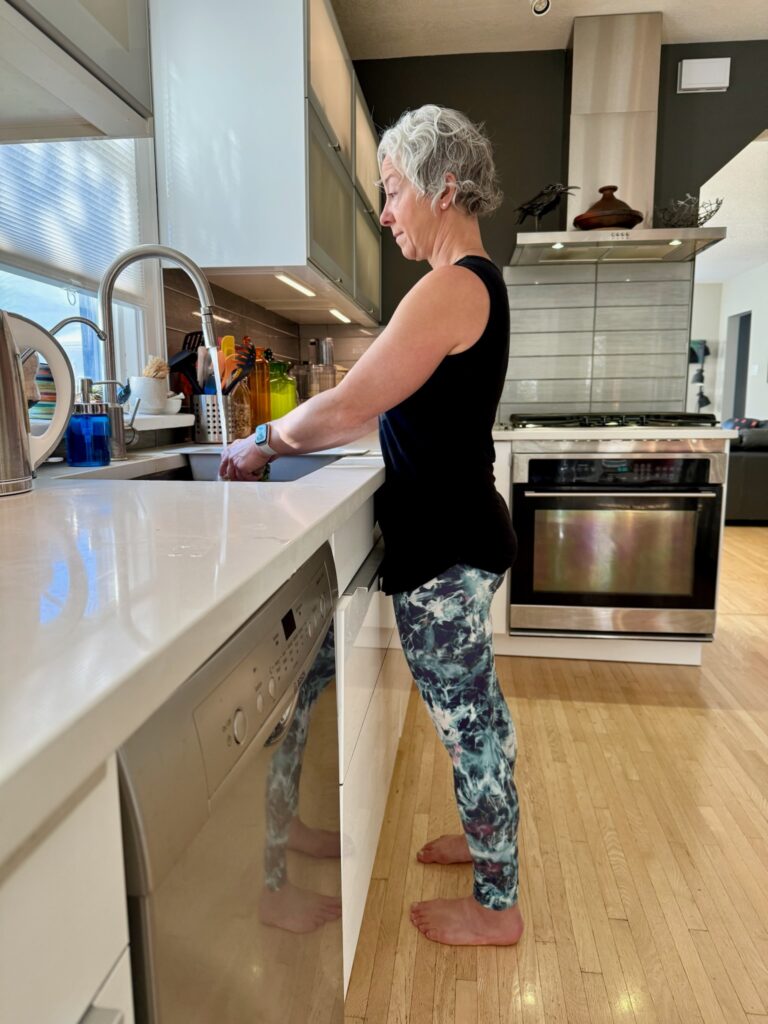
And my movement ‘diet’ was sabotaging my body and making me totally chair-shaped. Classic weekend warrior – I biked to work in the same body shape as sitting, then sat at my desk basically all day, every day. Except when I went hard at the gym, went for a 90 minute run, or went mountain biking all day Sunday (along with the 3 hours of driving to get to the trails).
So yeah, my injuries weren’t about my body being a jerk. They were about me expecting my body to flourish in a totally unnatural, highly artificial, overly sedentary movement environment – especially including my shoes.
How I Transitioned to Foot Shaped Shoes (A Bit Too Enthusiastically)
As a classic type-A overachiever, when I first learned about minimal foot shaped shoes, I went all in. Shoes that would make my feet stronger, allow my toes to spread and move, and help me heal my plantar fasciitis? Yes please!
Side note: if you’re new to minimal shoes, here’s the TL/DR – they’re footwear that’s widest at the toes, with totally flat, flexible soles (also called zero drop shoes), and that’s fully attached to your feet, so your feet can actually move and work like feet. This blog post has more details.
I binned all my fancy lady lawyer shoes (actually I gave them to Goodwill but honestly felt really bad about it since I now knew how unhealthy they were), and I bought a bunch of new super minimal shoes. I actually don’t remember most of the brands except I know I got at least a couple of pairs of Vibram Five Fingers. I proudly wore my new funny looking toe shoes all around Toronto, secure in the knowledge that I was doing the best thing for my feet.
Plus, I did all the foot exercises! I learned to lift my toes individually (and this was no easy task – it took literally months of daily practice to get my big toes going on their own). I stretched my calves and the tops of my feet (oh my gosh the cramping). And I diligently worked to get my hips back over my heels. Taking video movement classes every day helped me learn and make changes quickly – and I fell in love with movement at the same time.
I took a leave of absence from work and signed up to get certified as a Nutritious Movement teacher. It was an exciting time, and at first, it worked like a charm! My plantar fasciitis pain melted away, my big toes woke up, and I started to sneeze without leaking.
Build strong, healthy, pain-free feet – for a lifetime!
The Barefoot Walking Mistake That Still Haunts Me
My certification week was in January. I left snowy, cold Toronto, flew to California and met Katy Bowman and her amazing teaching team. I got coached on all the little technical details I had been missing. Me and the other students tried on each other’s shoes and swapped tips on finding the best minimal shoe brands. It was the best week!
And to top it off, my partner Chris came out to meet me and we headed down to Sayulita, Mexico, for a winter vacation. And of course, that’s when I made my big barefoot shoe transition mistake.
All fresh with enthusiasm for natural movement, I insisted on walking barefoot on all the rocky beaches. Because texture is a missing movement nutrient for most of our feet – and in principle, it’s a great idea to walk barefoot on texture. Rough surfaces build foot mobility, increase circulation, and challenge our strength and stability.
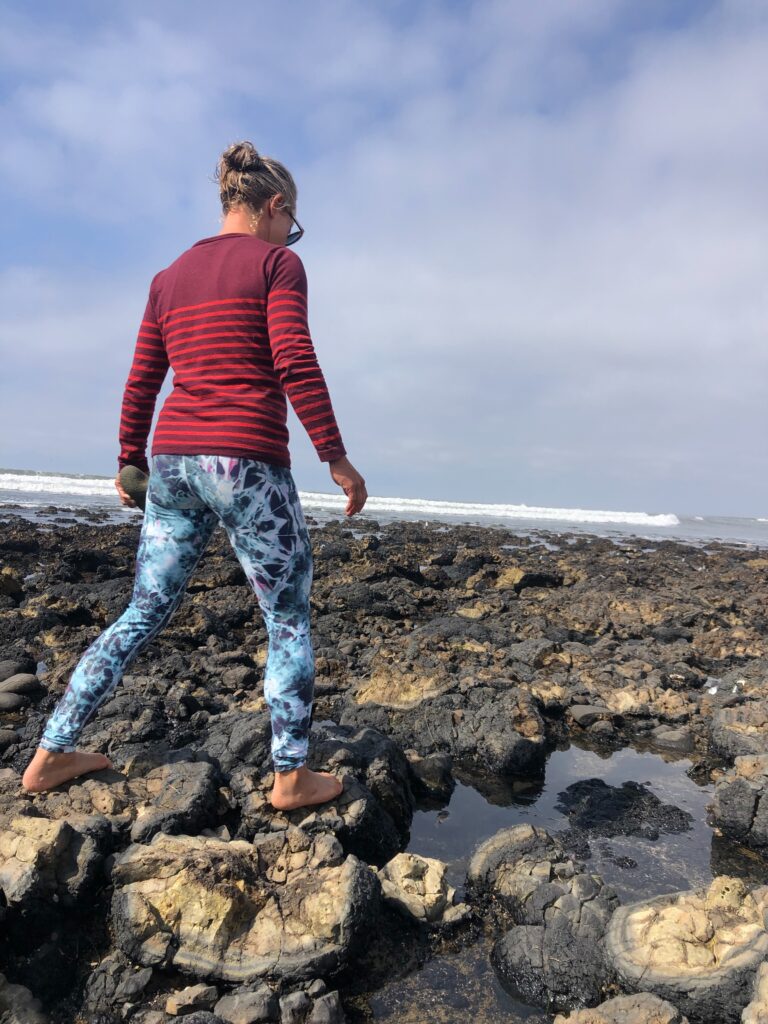
But you can have too much of a good thing, and that’s what happened to me. My feet were weaker and stiffer than I realized, and I ended up with an injury that felt like a sprain, except it was in the middle of my right foot. It felt better after a day or two of rest so….I went for another barefoot walk on those beach rocks. I know. It was a mistake – my right foot swelled up and it was sore for the rest of our trip.
Here’s what I did wrong: I pushed through pain instead of listening to my body, I did way too much too soon, and I didn’t give myself adequate rest when my foot told me it needed it. This was an extreme situation that you can easily avoid by being smarter than I was!
(To be fair – I also have a long history of ankle sprains – so this accident was probably related to my injury history as well as overenthusiastic barefoot beach walking!)
Where My Feet Are Now (12 Years Later)
In the years following that week, my right foot has changed for both better and worse but the injury has never really gone away. For a couple of years I wore mostly transitional shoes – shoes that are foot shaped but with more cushion than a truly minimal shoe. And I still wear thicker soled transitional shoes for long hikes so that I don’t stress those joints.

Some days it aches and there are some arthritic changes in my midfoot. Sometimes it’s a really sharp pain, like something has moved that shouldn’t be moving. And just over the sore spot, I have a ganglion cyst which feels to me like my body’s way of protecting itself.
So I know that my foot isn’t perfect, and at this point, I’m not sure I can expect it to heal back like it was before.
But on the other hand, I’m now happy walking barefoot or in very minimal shoes most days, on most surfaces, with zero pain.
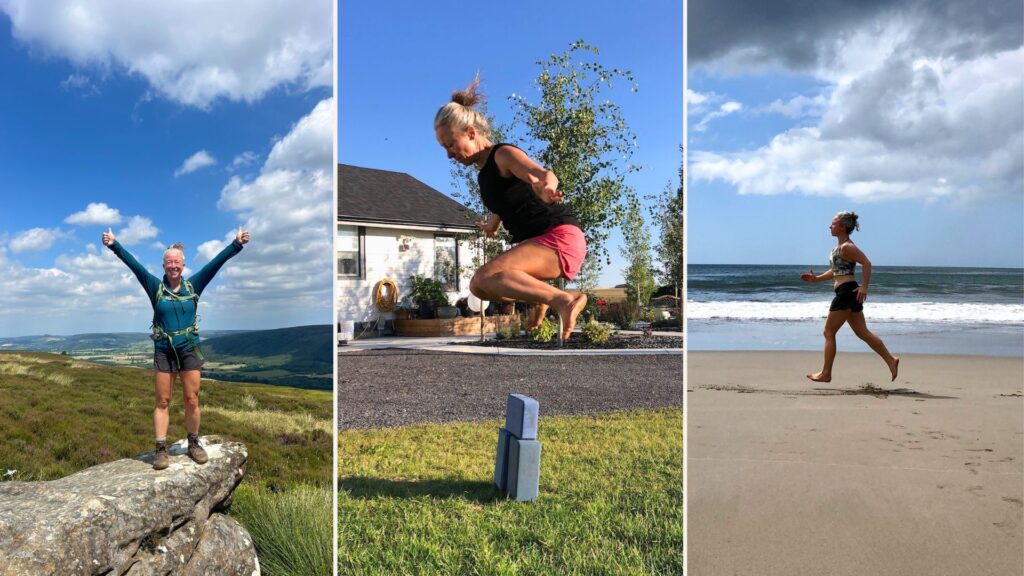
I hiked almost 300 km in 14 days last summer on England’s beautiful Coast to Coast hiking trail, wearing my transitional hiking boots. I can jump and do plyometrics without triggering any discomfort. And for the last year, I’ve even been starting to run again – which I never thought I’d be able to do again!
How to Transition to Barefoot Shoes Safely: What You Need to Know
Here’s what I got right – and these are the non-negotiables for a successful minimal shoe transition:
I did the foot and hip exercises. These are essential for getting the best out of minimal shoes. Better shoes stop the damage that conventional footwear is causing, but they aren’t the whole story for our feet! Foot strengthening exercises are what actually build strength and mobility.
I eventually learned to listen to my body. I’ve gotten much better at knowing when things are too much (but this is a learned skill and not something we can know right away). Your body will tell you when to back off – you just have to actually listen to it, which I didn’t do at first.
I give myself options. I now have both thicker and thinner soled shoes. If my feet need some extra cushion because they’re hurting or I’m planning on a bigger trek, I wear transitional shoes with the cushion. True story – I almost wore my really awesome super minimal Freet Keld shoes for the Coast to Coast, but my feet were getting a bit sore and tired in my prep hikes so I chose my Lems instead. Safety before ego! (I put a list of good transitional shoe options on this blog post.)
I keep up with regular foot care. My feet and body need regular care and attention to stay injury free. When I do the work and the preparation, I can take on big things. And when I overdo things or don’t prepare enough, I get injured. That keeps me pretty motivated!
I don’t think I’m alone in needing this kind of body care. Although movement is the best answer I’ve found for healing and body restoration, it’s not a quick solution and it’s not something we ever leave behind. Our bodies always need movement, the same way our bodies always need food, air and water. And this is doubly true when we’re trying to heal an injury! I do foot, ankle, knee and hip work regularly to keep my body feeling good and ready to take on challenges. And I double down on it when I’m planning a big adventure!
The bottom line on your barefoot shoe transition timeline? Take it slower than you think you need to. Barefoot shoes can absolutely help heal your feet and resolve pain – but they work best when you transition gradually, do the foot strengthening exercises, and listen to your body’s signals. Your feet will thank you!
And look – my feet aren’t perfect. I still have that old injury, I still need to be smart about my choices, and some days my foot aches. But compared to where I started? I’m in so much less pain, I can do so much more, and I have the freedom to say yes to adventures I never thought I’d be able to do again. That 300 km hike? Running on the beach? Jumping without fear? None of that would be possible if I’d stayed in my old shoes and given up on my feet.
Your feet can get stronger. Your body can heal. And you absolutely can get back to doing the things you love – you just need to do it the right way.
How to Start Your Barefoot Shoe Transition the Right Way
If you’re ready to learn how to transition to barefoot shoes safely and want to avoid the mistakes I made, I’ve got something for you.
My Free Your Feet program is packed with my favourite foot strengthening exercises to help your feet get stronger and more mobile so you can transition to minimal shoes successfully. These are the same exercises that helped me wake up my big toes, ease my plantar fasciitis pain, and eventually get back to the activities I love.
Inside, I’ll walk you through the foundational movements that prepare your feet for barefoot shoes – so you can build foot strength and mobility gradually and avoid the pain of overdoing it like I did.
Whether you’re just starting to think about minimal shoes or you’re already wearing them and want to make sure you’re doing it right, these exercises will help your feet get stronger, more resilient, and ready for whatever adventure calls to you.
And if you love what you learn in Free Your Feet and want to go deeper, I’ve poured everything I’ve learned about foot healing since my injury into my comprehensive Build Better Feet program. It’s the full 12-week journey I wish I’d had when I started – but Free Your Feet is the perfect place to begin.
And when it comes to shoe recommendations? I get a lot of questions about footwear, but frankly, I don’t try on that many brands and I’m not a shoe reviewer. For comprehensive shoe reviews, I recommend checking out the many excellent reviewers I have listed here on this blog post. And we have a list of great transitional shoe options here as well.